( Inside the High-Stakes World of Molecular Bio-Hacking.)
Peptides have stolen the pharma market. Here are two famous Peptides that we regularly encounter in our day to day life.
- Famous Peptides
- Insulin: A natural peptide and a popular Anti-diabetic molecule
- Semaglutide: Synthetic peptide hijacked by the anti Obesity cartel )
Here is the market value of these two peptides in May 2026. While Insulin is the gold standard for the treatment of Diabetes and has been around for 100 years, the anti Obesity peptides are in use for 5 years and still expanding.
The global market value of these two peptides ( as on May 2026)
| Peptide Segment & Industrial Footprint | Global Market Capitalization / Market Valuation |
|---|---|
| 1. Natural Peptides: Insulins Covers the total global market for classic, basal, fast-acting, and modern analog insulins (such as Lantus, Humalog, and Novolog). Dominated collectively by the “Big Three” manufacturers: Novo Nordisk, Eli Lilly, and Sanofi. | ~$30.7 Billion (Total global insulin commodity market size, May 2026 estimate) |
| 2. Newer Peptides: Semaglutide & Tirzepatide Covers the massive hyper-growth sector of synthetic incretin mimetics targeting metabolic health, type 2 diabetes, and obesity (commercially known as Ozempic, Wegovy, Mounjaro, and Zepbound). | ~$1.10 Trillion (Combined corporate market cap of Eli Lilly [~$959B] and Novo Nordisk [~$149B], May 2026) |
There is a parallel pharmaceutical universe quietly expanding online. It operates outside the traditional confines of clean clinical whiteboards and sterile pharmacy counters. Welcome to The *Peptide Bazaar*—a rapidly growing market driven by fitness forums, wellness influencers, and direct-to-consumer digital storefronts.
Here, highly regulated, life-altering biochemical breakthroughs exist right alongside underground, unapproved research chemicals. They are all sold under a single, viral umbrella: peptides.
What Exactly is a Peptide?
To understand this craze, think of your body as a massive, intricate construction site. It is using 3 building blocks for the construction and maintainance of the superstructure which is your body. Amino acids are the individual bricks. Peptides constitute a short chain of amino acids. proteins are complex pre fabricated units.
- Proteins make up your muscle mass and all the 20,000 enzymes that are the heavy, fully constructed buildings that carry out all the functions of your body..
- Amino acids are the individual raw bricks for these buildings.
- Peptides are short, specific chains of these bricks—essentially small “sticky notes” or precise chemical text messages that your body uses to tell cells exactly what to do.
You are already deeply familiar with natural peptides. The most famous example in human history is insulin, a vital peptide hormone produced by your pancreas to manage blood sugar. Your body uses thousands of other natural messengers every second to regulate sleep, heal skin, and torch fat. We are using many more such peptides like Inj Terifrac for osteoporosis, somatropin to increase height of a child.
The Heavy Hitters: From Metabolic Miracles to “Tan-and-Trim”
At the front of this movement are synthetic peptides that have transitioned from niche scientific research to global household names. The 3 famous peptides thaat have heated up oor Bazaar are enumerated below.
1. The Metabolic Revolution:
Semaglutide & Tirzepatide
Semaglutide (the underlying molecule in Ozempic and Wegovy) and Tirzepatide ( Mounjaro and Zepbound) are structurally precise incretin mimetics. By mimicking natural metabolic hormones like GLP-1, they revolutionize how the brain manages satiety and how the pancreas handles insulin. These aren’t just lifestyle changes; they are profound, fundamental interventions for type 2 diabetes and metabolic dysfunction.
2. The Pure Aesthetics: Melanotan ( UV free Tan)
On the other side of the spectrum lies Melanotan (primarily Melanotan II), a synthetic analog of alpha-melanocyte-stimulating hormone (alpha-MSH). It drives the body’s melanin production without requiring UV exposure while simultaneously crossing the blood-brain barrier to trigger off-target effects like appetite suppression and increased libido. It is the ultimate expression of the “tan-and-trim” lifestyle drug. That is why its a craze in the fair-skinned, Anglo-centric nations where a deeply ingrained cultural aesthetic equates a dark complexion with health, athleticism, and status, despite stark public health campaigns regarding skin cance
3. The Bioregulators: BPC-157 ( Body Protection Compound)
Hailed by the athletic community as a “wolverine molecule,” BPC-157 (Body Protection Compound) is a 15-amino-acid chain derived from human gastric juice. In research settings, it demonstrates remarkable cell-migration and angiogenic (blood vessel growth) properties, significantly accelerating tissue repair in torn tendons, ligaments, and gut linings.

The Delivery Problem: Why You Can’t Just Swallow Them
Historically, peptides have faced one massive, frustrating limitation: your stomach.
Because peptides are made of amino acids, your digestive system doesn’t recognize them as high-tech medicine; it just sees them as a piece of steak. The powerful gastric enzymes and harsh acids in your stomach break them down into basic bricks before they can ever enter your bloodstream to do their job. This is exactly why diabetics have had to inject insulin for over a century. The initial glutides are always injected. Then came the break through and the windfall.
- Subcutaneous Injection: This remains the gold standard, accounting for roughly 85% of all clinical peptide delivery. A tiny insulin-grade needle delivers the compound directly into the fat layer beneath the skin, bypassing gastric enzymes entirely to ensure maximum bioavailability.
- Sema the Oral Breakthroughs: Pharma major Novo of Denmark has recently developed a clever chemical wrapper ( called SNAC) that temporarily shield oral semaglutide from gastric enzymes, allowing it to sneak through the stomach lining intact.
- Nasal Sprays: Frequently used in the unregulated market for compounds like Melanotan or neuroprotective peptides. The nasal mucosa allows small molecules to pass directly into the bloodstream, though dosing precision can be highly erratic.
The Financials: Market Caps and the Gray Market Craze
The economic engine behind these molecules is staggering. The legitimate global peptide therapeutics market is valued at roughly $146 billion, with projections pushing it past $330 billion by the mid-2030s.
| Peptide Segment & Industrial Footprint | Global Market Capitalization / Market Valuation |
|---|---|
| 1. Natural Peptides: Insulins Covers the total global market for classic, basal, fast-acting, and modern analog insulins (such as Lantus, Humalog, and Novolog). Dominated collectively by the “Big Three” manufacturers: Novo Nordisk, Eli Lilly, and Sanofi. | ~$30.7 Billion (Total global insulin commodity market size, May 2026 estimate) |
| 2. Newer Peptides: Semaglutide & Tirzepatide Covers the massive hyper-growth sector of synthetic incretin mimetics targeting metabolic health, type 2 diabetes, and obesity (commercially known as Ozempic, Wegovy, Mounjaro, and Zepbound). | ~$1.10 Trillion (Combined corporate market cap of Eli Lilly [~$959B] and Novo Nordisk [~$149B], May 2026) |
Context
The Gross State Domestic Product (GSDP) of a rapidly industrialising, mineral rich state like Odisha for the current fiscal year (2025–26) translates to roughly $124 billion USD. 100 years of a foundational drug like Insulin (all insulins combined )is $30.7 Billion. The market value of two anti obesity pills discovered only 5 years ago, are commanding 10 times the GSDP of Odisha state and 30 times that of all insulins combined.
Peptides inside our medicine cabinet:
Two famous peptides have entered into our day to day drug profile.
- Inj Terifrac is a regular injection for treatment of Osteoporosis particularly in elderly women
- Inj Somatropin ( Novo) is uised for increasing height in short height children
Peptides and the Biogerontologists
There are many more peptides up in the sleeves of our labs. they come handy in the futuristic medical fields like anti aging and longevity. This has created a new stream in medical science called biogerontology which translates to “a study of the biological process of aging.”
This monumental financial success has triggered an unprecedented supply crunch in the legitimate medical market. When traditional pharmacies run out, the gray market steps in. Thousands of online vendors source bulk raw peptide powders from international chemical manufacturers, bottle them in glass vials, and sell them directly to consumers online. To navigate regulatory laws, these websites add a simple disclaimer to their labels:”For Research Purposes Only. Not for Human Consumption.” This thin legal shield masks a multi-million-dollar consumer market. Driven by viral social media trends, everyday individuals have transformed into amateur biogerontologists—buying lyophilized (freeze-dried) powder, mixing it with bacteriostatic water at home, and calculating their own micro-dosages. ( A recent catch of such home made injections has been held by delhi police from its outskirt.)The profound risk here isn’t the underlying science of the peptide itself; it is the total lack of quality control. Unregulated batches run a high risk of containing heavy metals, structural impurities, or inaccurate concentrations.Future Prospects: What Lies Ahead?
The “Peptide Bazaar” is a classic example of technology outpacing regulation.
As we look to the horizon, the true potential of peptide therapy isn’t just about weight loss or a deeper tan—it is about unprecedented biological precision. AI-Driven Discovery, Machine learning models are now designing entirely synthetic peptide sequences from scratch, predicting exactly how they will fold and bind to specific cellular receptors.
Triple Agonists and Beyond:
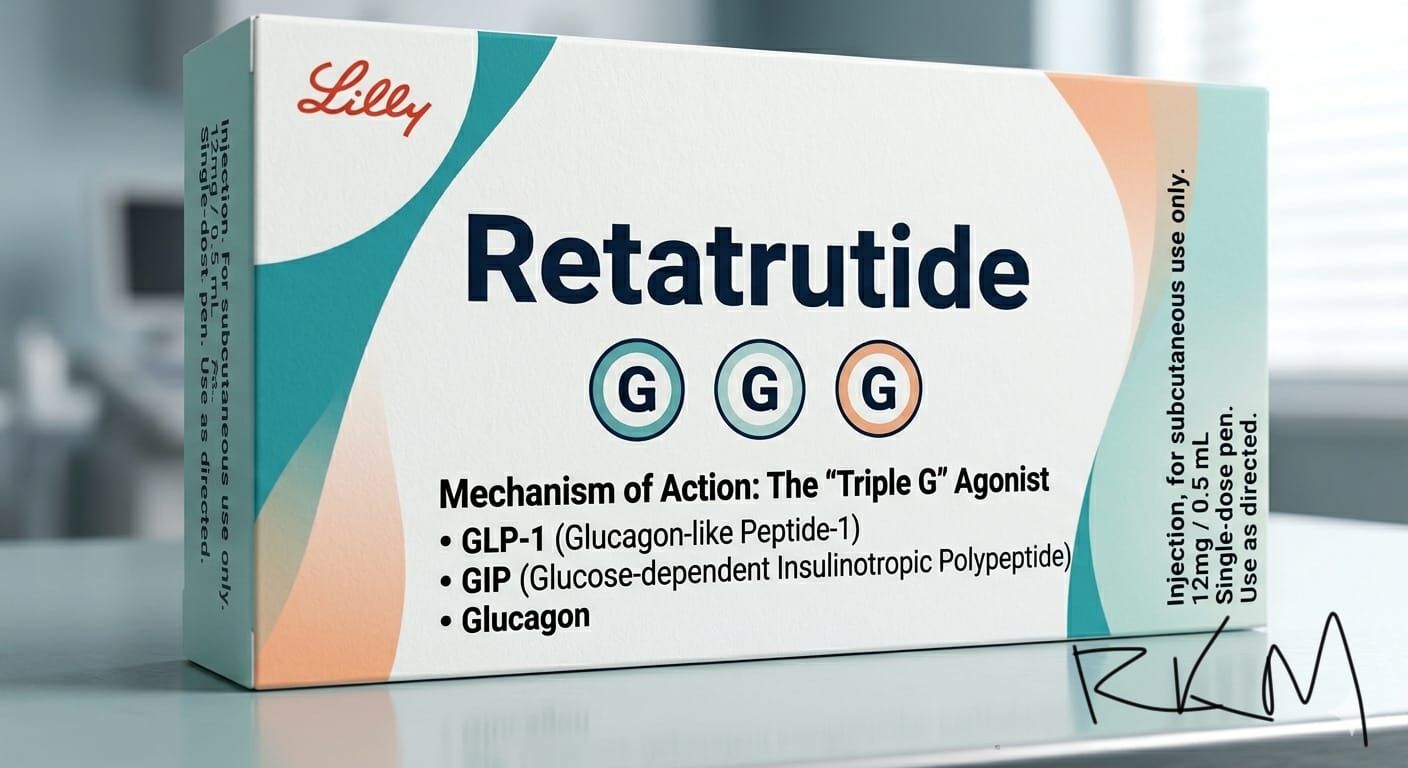
The next generation of metabolic therapies targets three separate hormone pathways simultaneously (like Retatrutide), clearing liver fat and lowering body weight with remarkable efficacy.
Targeted Longevity:
Research into cellular repair peptides like Thymosin Beta-4 and epigenetic modulators aims to shift medicine away from managing chronic symptoms and toward actively regenerating aging tissues.The challenge for the medical community over the next decade will be reclaiming this narrative. We need to channel the immense public enthusiasm for bioptimizaton into safe, clinically sound, and rigorously verified therapeutics, ensuring that precision medicine remains both highly precise and completely safe.

