Vaccine agents can be either Live whole cell ones, Killed whole cell or sub-unit vaccines. Sub Units can be one specific protein ( Spike protein ) or a slice of DNA or mRNA.
Sub unit vaccines are developed only after molecular biology techniques are developed.
Between live vaccine and killed vaccine, which is developed earlier ?
Killing a microbe to prepare a replica vaccine seems to be easier than isolating a live virus and attenuating it inside our lab.
Surprisingly, live virus vaccines preceded killed vaccine by 100 years. It is surprising as viruses could neither be seen before 1930 and nor could be grown in our lab before 1950.
Salk used the Cell culture for the first time to grow and inactivate his vaccine in 1954.
All credit must go to Louis Pasteur who could produce two animal vaccines ( Anthrax, Chicken Cholera ) and one human vaccine ( Rabies in 1885) without knowing what virus he is defending. That’s great.
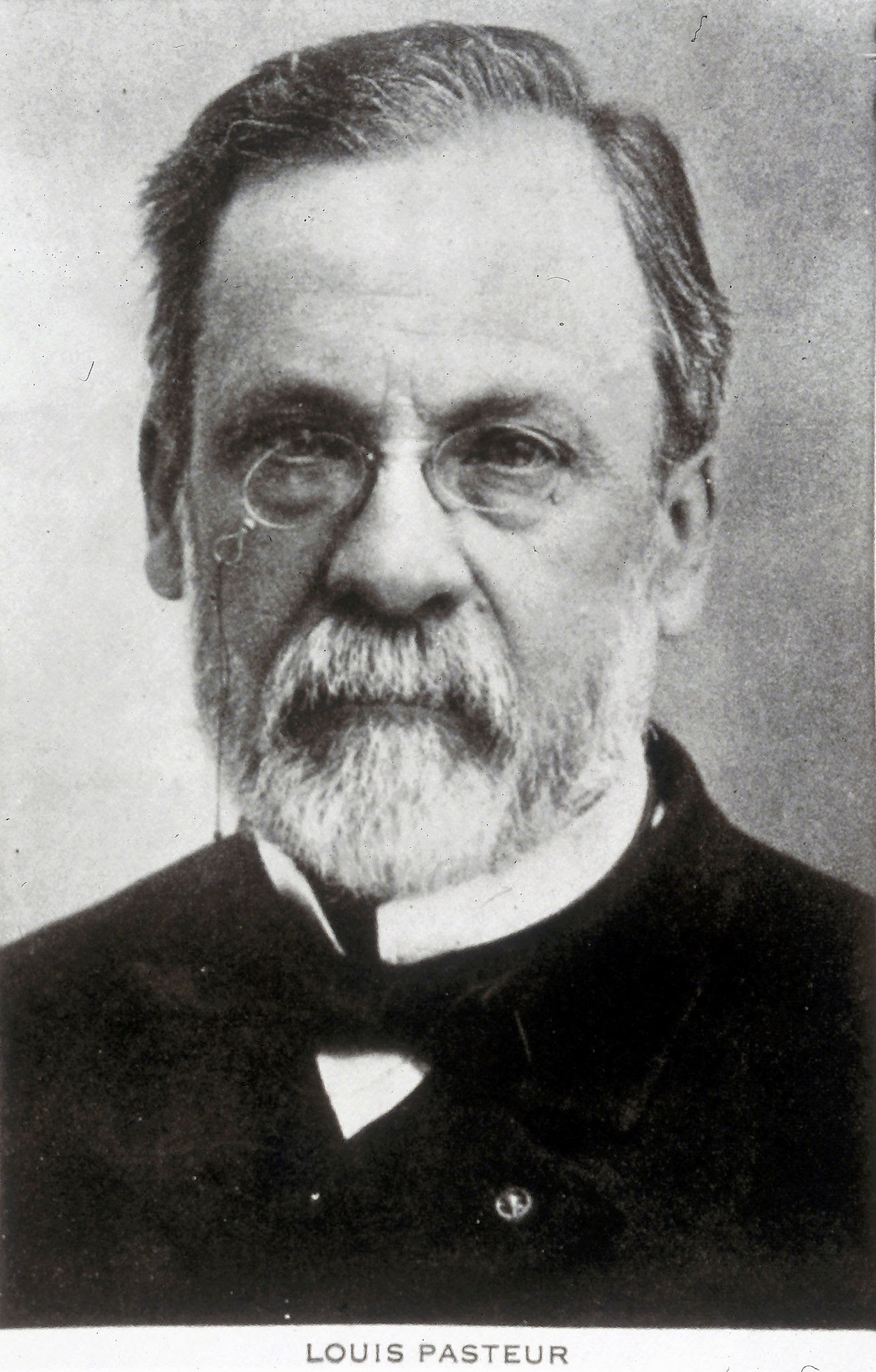
Pasteur is known for Pasteurisation.
Immunologist remember Pasteur for inventing Attenuation.
He has passed the serum of a rabid animals serially among rabbits in his lab to attenuate the virus. Though he did not know what he is playing with. Awesome.
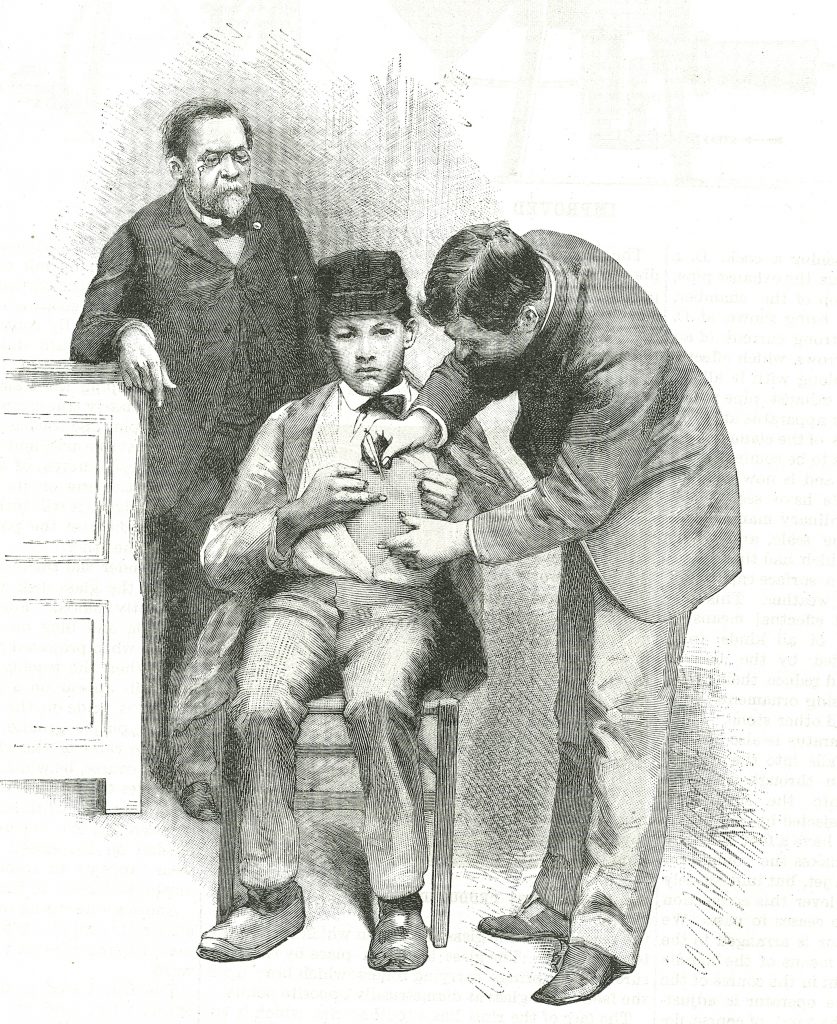
The story of Killed vaccines.
4500 years ago, the dead body of Pharaoh are embalmed using formaldehyde. Today also we use formaldehyde to embalm cadavers for our anatomy students.
Almost a similar technique is used today to kill a virus to produce a killed whole cell vaccine : Covaxin.
Too much of chemical will make the virus non immunogenic. Too less can be ineffective to kill the virus. It’s a very patient touch and go method. In spite of our best effort, two problems are inherent to this technique.
- Formaldehyde denatures protein. If the spike protein is disfigured, the vaccine will lose its efficacy. It is inherent in the process. Hence Covaxin cannot confer more than 60% efficacy.
- Killed microbes are poorly immunogenic than live. Why?
After 2013 only, we came to know that our Innate immunity is also required to mount an antibody response. Thus any vaccine should have two components : the antigen part and a stimulant part: the antigen is needed to stimulate production of exact antibodies, and also a technology to stimulate the innate immunity.
The part of the final vaccine product that is dedicated to stimulate our innate immunity and thus boost its efficacy is called adjuvant.
Killed vaccine and sub unit ones must have a good adjuvant. This is not needed for a viral vector vaccine like Covishield. The live adenovirus acts as an adjuvant. Hence a vial of Covishield does not contain any adjuvant.
Success of Covaxin rests on its unique Adjuvant: Traditionally alum etc are added to sera and vaccines that are non specific adjuvants.
With the knowledge of innate immunity expanding, today we are selecting specific innate immunity receptor agonists as adjuvants. One of the receptor of innate immunity is TLR-7, TLR-8.
The Alhydroxiquim-II component of Covaxin is specifically developed by the NIH, USA at Kansas.It specifically stimulates TLR-7, TLR-8 receptor of innate immunity. This is the secret of success of Covaxin.
Next- Live vaccines
 Dr Ramakanta's Ideas
Thanks for ur analysis sir
LikeLike