( A brief overview of how our DNA, mRNA and Ribosome manufacture the 22,000 proteins we need every day for our daily activities.)
What is mRNA ?
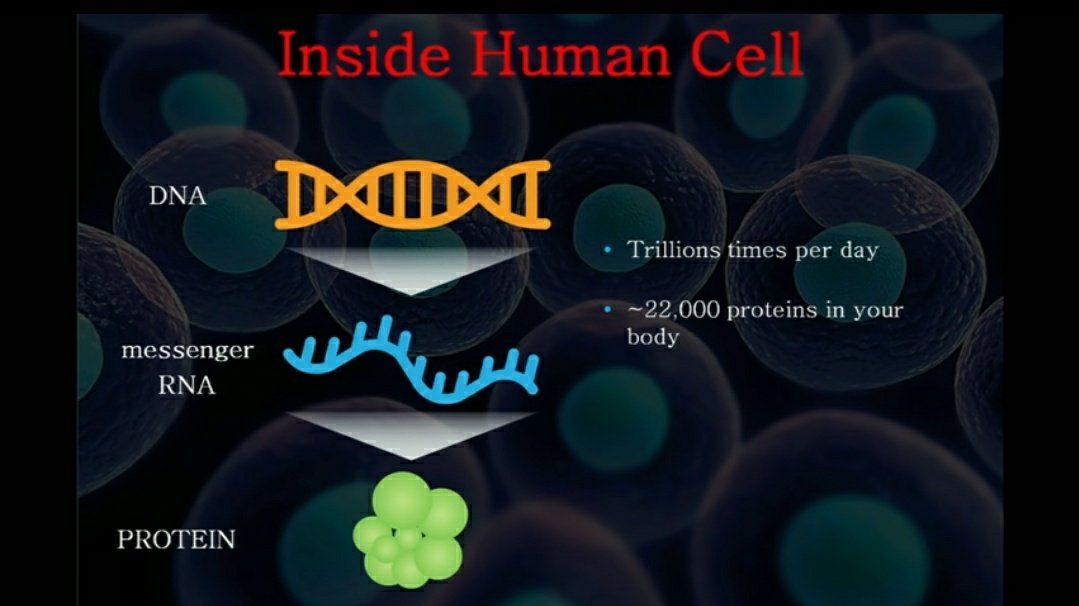
Inside the human cell, each protein ( say insulin to enzymes and hormones) are printed by the 3D printer called Ribosome as per the code encrypted in the DNA. DNA is kept locked inside the high security nucleus of the cell lest it should get corrupted while the ribosomes remain outside in the cell cytoplasm. What is the missing link between these two ?
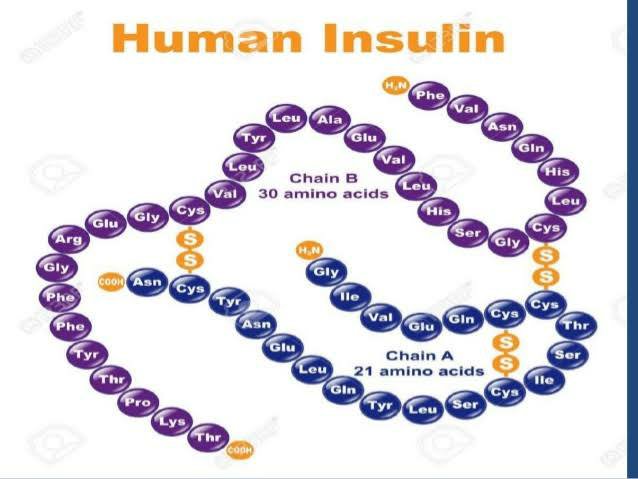
Insulin is a double chain of 51 amino acids. Its antidiabetic property comes from the exact sequence, number and type of amino acids contained in these two chains. If any single amino acid is changed or even misplaced, that person will have no insulin. He will need insulin injections life long. He will die if he misses one single dose. He is what we call the type 1 or Insulin Dependent Diabetic. ( IDDM)
The number, sequence and type of amino acid is encrypted and preserved as a 3 letter worded code in the DNA of our chromosome. Nature has kept that code inside a high security vault ( the nucleus) away from the cells cytoplasm which is an open market. It ensures that the code architecture doesn’t get tampered during our whole life time. This is also transmitted to the next generation truthfully. If it’s tampered anyway, we shalldevelop Diabetes.
Inside the human cell, each protein ( insulin to enzymes and hormones are printed by the 3D printer called Ribosome as per the code encrypted in the DNA. DNA is kept locked inside the high security nucleus of the cell and ribosomes remain outsidein the cell cytoplasm. What is the missing link between them ?
Ribosome : the 3D protein printer.
Nature has equipped our cells with a highly sophisticated 3 D printer whose job is to print the 20000 odd proteins that we need every day for our daily activities like walking and talking.
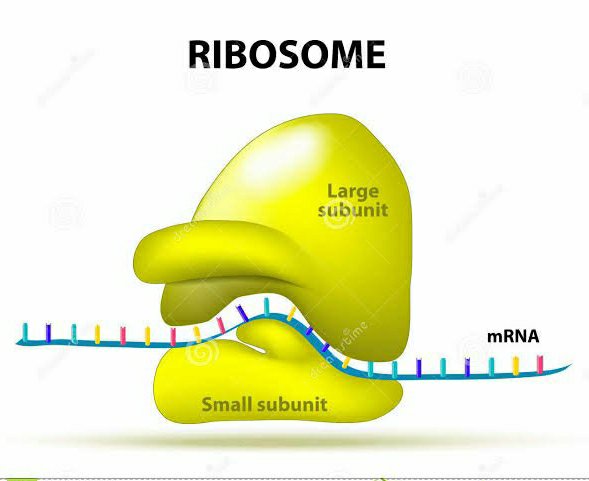
As we take a balanced diet, the protein in our diet is broken down into its building blocks called amino acids. These amino acids are readily available in the cytoplasm of our cells. ( Every cell of our body is capable of printing 22000 types of proteins as and when required.)
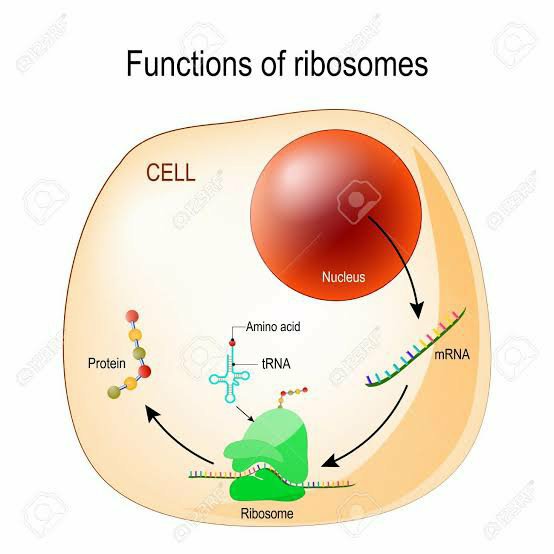
So when you take a plate of your favourite sweets on this Diwali, your ribosomes are ready to print as much insulin as required by you.
Amino acids are swimming around the printer. Only the code has to arrive from the high security vault. None of the cytoplasmic elements are allowed into nucleus.
The Dak messenger:
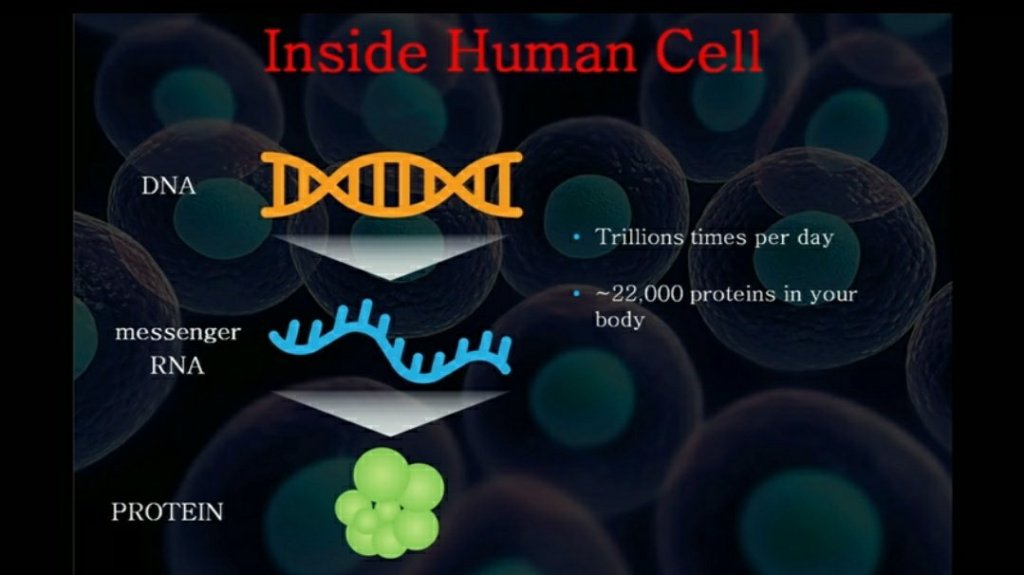
Nature has built a highly secured Dak messenger into the system- the Messenger RNA. A photocopy of the code for insulin is made in that instance and despatched from Head quarter to periphery of the cell. Messenger RNA hands over 3 orders to ribosome the printer: the ON code ( AUG), the OFF ( non sense) code and the main body ( Open Reading Frame : ORF) of the code.
Once all the three codes reach the ribosome, it gathers the required amino acids from its surrounding and 3D prints insulin for us.
In case our code for insulin is defective, we fail to produce adequate insulin and Diabetes sets in.
In that situation, our only solution is to inject external insulin. In 1920, William Banting killed a pig, powdered its pancreas and injected it to a diabetic coma patient in Toronto hospital. In one of the most dramatic moments in the history of medical science, that unconscious child who was supposed to die, sat up.
Genetically Recombinant Insulin.
Killing cows and pigs for their insulin is a crude method. Today we use E Coli and Yeasts instead. We have downloaded the genetic code of insulin. Thisvwe feed to the E Coli system maintained in our lab. These bacteria multiply rapidly. So also grows our insulin production. Today we don’t have to slaughter cows and pigs for our insulin.
Today the diabetic population is estimated to be 422 million worldwide.
The Global Human Insulin Market 2020 is estimated to be USD 90,812.40 Million.( Aug 26, 2020)
 Dr Ramakanta's Ideas
You are genius Bhai.Explaining every scientific fact in lucid common language.Good one.
LikeLiked by 1 person