
Murshidabad
Surya Mishra becomes Murshid Quli Khan
I don’t know when Surya Narayan Mishra, a Brahmin boy from Deccan and Manik Chand, a Jain Marwari boy from Nagaur, Rajasthan met at the Bengal city of Dacca (Dhaka). It was sometime at the turn of the 17th century. No calendar date had been assigned to their meet. But this meeting was destined to change the fortune of the 17th century India and in a way the history of the world forever. These two little known figures had gone on to establish one of the richest city of 1700 CE richer than London and Calcutta.
At the age of 10, Surya Narayan Mishra had been sold as a slave to a Persian Haji who was close to Aurangzeb. The Haji had taken him to Persia, changed his name, educated him and later acquainted him to Aurangzeb the emperor of Delhi. Alamgir was quite pleased with this boy and appointed him as the Dewan of the Bengal at Dacca. This didn’t please his grandson who was then the ruler of Bengal. ( Aurangzeb had intentionally done it.) Mishraji had reached Dacca.
[ Of course he was a muslim now. But let me continue with Mishraji for the narration sake.]
On the other hand, Manik Chand at that time was running a Hundi Business from Dacca. A Hundi owner in 1700 CE India performs the task that a banker and Moneychanger does now.. In those days India didn’t have a banking facility. The Dewan of Dacca would collect all the taxes and deposit them in the Hundi of Manik Chand. The money would be distributed by the Seth as and when and where required by the Nawab. The Seth had a safe network of courier all over the Mughal provinces for carrying and delivering enormous amount of wealth. Thus the Dewan would collect huge amounts as tax and the Seth would send them to the treasury of Delhi. This pleased Aurangzeb immensely as he had incurred enormous expenditure over his prolonged conquest in south. But his grandson, Nawab of Dacca was not at all pleased though he could do nothing against Aurangzeb. He tried to dispose both Mishraji and Manik Chand instead.
In those days, the Mughal Province of Bengal stretched from Dacca to Patna, from Cuttack to Assam. This was the most fertile land off the country and was famous for its high quality Cotton, Silk, Indigo, Tea and Opium. Dacca was the major supplier of Silk, Cotton and Opium for the ships of all the European traders. At least seven European nations had set up their trading houses within Bengal: they were the Portuguese, Dutch, French, English, Danes, Austrian and German. Trade was good and taxation was heavy that literally financed all the wars of Aurangzeb.
In the hands of Mishra and the Seth, the remittance from Dacca now far surpassed any other source of income of Aurangzeb. In an unprecedented move, Aurangzeb anointed Mishraji with the title of Murshid Quli Khan. This didn’t please his grandson who was losing a large share of his revenue and now had lost his credibility in the Delhi Durbar. So he plotted to kill both the Seth and his Diwan.
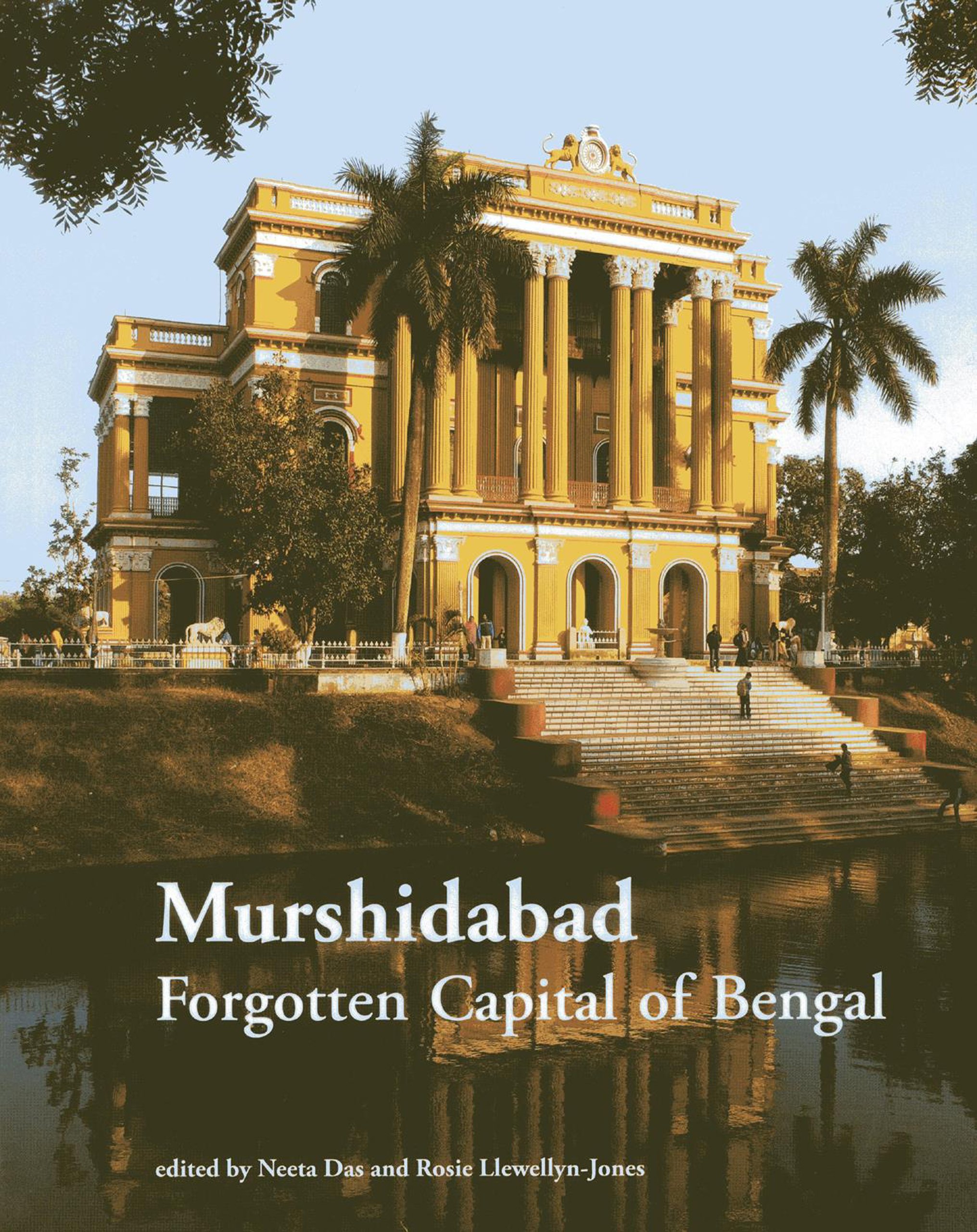
Murshid Quli Khan fearing for his life, left Dacca in 1700 CE. With the blessings of the Alamgir, he founded a new town by the river of Bhagirathi in his own name: Murshidabad. He brought his confidant, Seth Manikchand to oversee the finances of the new sultanate. The new Nawab permitted Manikchand to set up their own mint at Murshidabad.
Nagar Seth, Manik Chand
Aurangzeb expired in 1707. Murshid Quli Khan seized the opportunity to declare himself as the First independent Nawab of undivided Bengal, the richest state of world around 1700 CE. Seth Manik Chand became his treasurer, Banker and Money changer. In 1712, during the succession struggle between the heirs of Aurangzeb, Manik Chand financed the ascension of Farouk Siyar to the Delhi throne. It was his Hundi network that delivered the huge sum to the cash strapped emperor. It was like present day banks “Delivery of Money anywhere, any time“. In recognising his capability and magnanimity, the Emperor bestowed the title ‘Nagar Seth” on him . In English it should read as the Banker of Murshidabad.
Jagat Seth, Fateh Chand
After the death of Manik Chand, Fateh Chand carried on their traditional Hundi business. The mint of Dacca and Murshidabad both came under his control. He had not only been financing the Delhi Sultanate, but the Companies of all European nations were using credit slips of the Seth. It was also the central bank of Bengal. Mursidabad in those days was financially bigger than Calcutta and London. Traders and people from nations of Europe, China, Burma and Ceylon and rest of India would come here for trading purpose. It was a city of plenty with rice selling 8 mounds for one Taka.
( It is unimaginable how that this land of plenty under the Nawab would succumb to the Great Bengal Famine 1770 within 6 years of defeat of nawabs in the hands of British. The Bengal famine stands as the single horrific atrocities under British colonial rule in india. Only the the ruin of Aztecs in the hand of spaniards stands parallel to it.)
In 1723, Mughal emperor bestowed the title Jagat Seth on him. In English it reads Banker of the whole World.
After the death of the nawab Suja-ud-din of Murshidabad, the struggle for ascension to the throne arose between his son Sarfaraz Khan and Son in law Alivardi Khan. This time Fateh Chand sided against the Son in favour of the Son in law and won. It was a wild betting but it hit the jackpot. This paved them to further glory and made him the richest man on this earth

Richest man on the Earth. Madhab Rai
Fateh Chand died in 1744. He had outlived his two sons. Madhab Rai the grandson from his eldest son inherited the title of Jagat Seth. The heir from the other son was anointed Raja Swarup chand. With the support of Alivardi khan, the prosperous business of Banking, Hundi, Trading, Minting and Money changing made Madhab Rai the richest man on this earth. ( This is from the record of the East India Company historian Robert Orme).
The Jagat Seth family had assets worth approximately 1000 Billion pounds or more in today’s money. in comparison, The net worth of the richest man on Earth today, Elon Musk is worth 170 billion pounds. ( Forbes). And Gautam Adani is 130 billion pounds. The all time richest American John D Rockefeller was worth 300 billion pounds in today’s rate.
During the Mughal period, India was the richest country in the world. It accounted for 25% of the GDP of whole world. The Fortune of Jagat Seths amounted to 5% of Bengal’s revenue.
Change of Fortune.
The death of Alivardi Khan led to the fall of fortune not of the Jagat Seth or murshidabad alone but of India as a whole. Siraj had always been the spoilt brat of the richest princely state of the world and had picked up a lot of vices in his youth like drinking and gambling. In the very first year of his rule, he first seized the wealth of his own aunt ( the elder sister of Siraj’s mother) put her in confinement and killed his other cousin. Alivardi khan had no sons but only three daughters. Siraj was born to one daughter. He obliterated the other two heirs immediately. Then he unseated the commander of Army, Mir Jafar the wily Afgan who also happened to be an elder of the family. The commander post was given to one of his cronies who died during a battle with British. He had no options but to request the experienced Afgan during the Battle of Plassey.
Soon after he became the Nawab, Siraj demanded Madhab Rai, the Jagat Seth, to collect 30 million rupees immediately. It is said that he had slapped the Seth in the open court in front of all for failing to raise the money in time.
Ghulam Hussain Salim a Persian historian wrote in his Riyaz-us-salatin history of Bengal,
“Owing to Siraj-UD-Daulah’s harshness of temper and violent language, fear and terror had settled in the hearts of everyone to such an extent, that no one among the generals of the army or the noblemen of the City were free from anxiety. Among his officers, whoever went to wait on Siraju-d-daulah despaired of life and honour, and whoever returned without being disgraced and ill-treated thought thanks to God for saving him. This prevailed a paranoia in the darbar of Siraj.
ghulam hussain salim
No wonder, when it came to chose between Siraj and the British, the Seth and most of the courtiers sided with the British. They all thought that the British like the Maratha if paid well would go away.
The Maratha Bargis have raided Murshidabad once and had looted 15 million rupees from the house of Jagat Seth. But that had not unsettled the Seths.
The fall of Jagat Seth
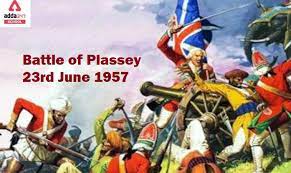
From the battle of Plassey in 1757 to the Buxar war in 1764, It became apparent that the British were not going to leave India. The Jagat Seth had backed the right horse in the Battle of Plassey and that horse had won but it turned out to be the biggest jackal under the coat of an horse. Mir Quasim, who came to the throne of Murshidabad had to pay the British so much that his treasury was emptied. It is estimated that in the 8 years between 1757 to 1765, 3 million pounds ( 300 million pounds today) had been paid to the company from the Murshidabad treasury towards tax and other compensation. This figure is on record and does not include the looting and extirpation that was done by the individual officers. Only Clive had sent home 3 million pounds as the bribe received for the coup. Mir Quasim would never forgive the Jagat Seth family for financing Robert Clive in the battle of Plassey. In 1763, he murdered both the cousins, the last of influential Seths.
The British unlike the nawabs didn’t need the hundi network of the Jagat Seths for transfer and exchange of their revenue. They shifted their headquarter to Calcutta and established their own mint. That dried up the major income of the Seths. Their huge landed property in the Bengal presidency was confiscated. at last, The sons of Jagat Seth who had once financed the British company had to apply to the Company for grants of aid for their upkeep. Robert Clive offered them a yearly grant of three lakh rupees, but Kushal Chand the new Seth was too proud to accept such a paltry sum. He declined it.
Epilogue:
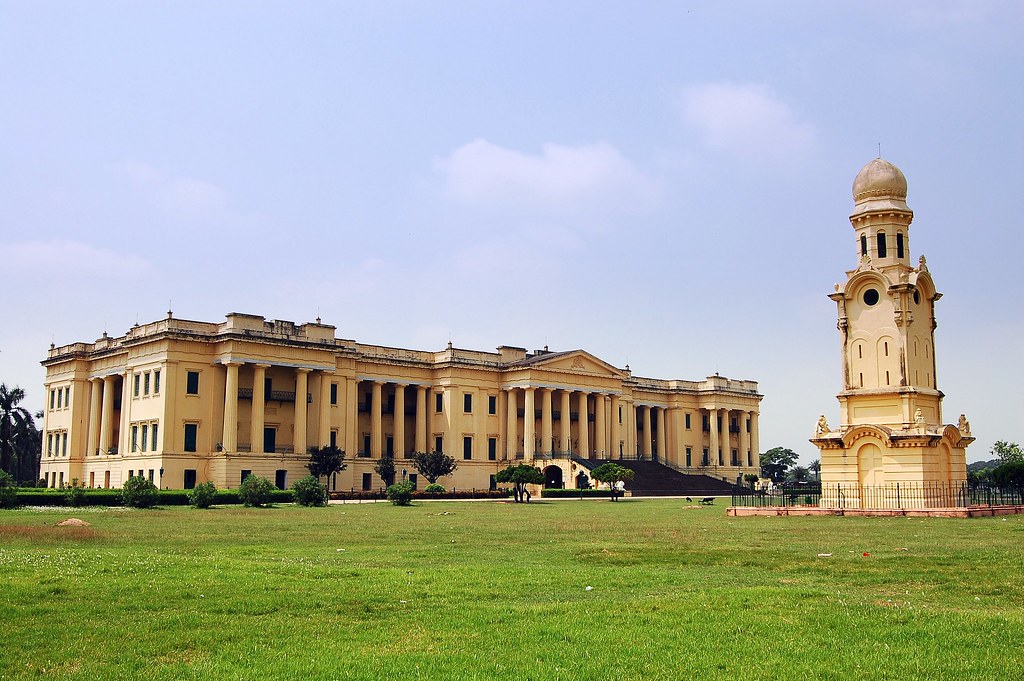
No-one survives from the Seth family now. Even nature seemed to have turned against the Seths. The grand edifices of the Jagat Seths were swallowed up by the meandering Bhagirathi. All that remains today is the Jagat Seth Palace and the Adinath Temple within it. Today a museum seats in the palace.

Where did the Jagat Seths go wrong ?
The Jagat Seths were neither traitors nor anti nationals. Their wealth was created by successfully backing the winner to the throne in every conflict. In the battle of Plassey also, they had sided with the winner. They had anticipated that the British would collect their loots and would leave. Bengal would be left to them. Nadir Shah had done that. Ghajni had done that. Even Marathas had done that. But the British didn’t.
 Dr Ramakanta's Ideas
excellent description of the indian history unknown to many, particularly life history of Jagat seth, the richest person,his rise and fall till establishment of calcutta mint
LikeLike
Thanks
LikeLike
very informative Sir…thanks for the very good sumary of important part of the history …….many of us do not know about jagath seth family
LikeLiked by 1 person
The Narrative is very informative and helpful. But, there are major discrepancies, the most noteworthy being the ones about the Province of Bengal under the Mughals in the early part of the 18th Century having extension upto Assam and Tea described as a Commodity of trade in those days. It may be mentioned that Assam was never a part of Mughal Empire and tea was produced in Assam in only late 1830’s for trading purposes..
LikeLike