
My India
I have been born and brought up with great stories from Ramayana and Mahabharat, Vedas and Upanishads since my childhood.
I had a great query, “where was Odisha in Ramayan and Mahabharat or in those enchanting stories of 100 Upanishads?”
We read about cities like Ayodhya, Vaishali, Kashi, Ujjain, Hastinapur, Kurukshetra, Mathura, Dwaraka and rivers like Ganga, Yamuna, Saraswati. Where was Kalingapattanam, Kanchipuram or Tanjavur and Muziris ? Surely these were much greater cities than Ujjain or Indraprastha. At least that was what archeology confesses.
Of course there was no separate Odisha before 1934. But there were Kalinga, Udra, Koshala. So when I searched for the Kalinga during Mahabharat in the internet. This is what I got from the internet.
Kalinga in Mahabharat
Duryodhan had married a daughter of Kalinga king. Hence Kalinga king had joined the Kaurav sena in the great war and were annihilated by Bhima’s mace. As I dived into details, I found that this king of Kalinga had his capital at Rajpura which is identical with modern Rajgir of Bihar.
Here is the wiki link:
Kalinga also occurred as a passing remark whenever the sage would describe a pan Indian gathering: Swayamvar of Draupadi, Karna’s conquest and Sahadeva’s Aswamedha Yagna, Arjuna’s Pilgrimage. Nowhere is there a detailed and accurate description of people of Kalinga by the sage. Often the sage would confuse us with multiple Kalingas located anywhere between Assam to Odisha. Of course one thing is common. All these Kalingas were beyond Magadha.
Peoples of Kalinga are described as Mlechchas. Leave aside, Kalingas, the Dravidas have been degraded into Sudras, Vanars and Rakshasas by the people who wrote those great epics.
Was all of the eastern coast from Toshali, Tamralipti to Tanjavur, Madurai, to Muziris were inhabited by Sudras and demons ?
All our epics and Puranas are stories limited to Aryavarta only. This didn’t included the coastal India and Deccan peninsula.
The ancient history of Coastal India from modern studies.
Muziris in Kerala coast was an ancient port township which was popular even among Babylonians and Egyptians ( 3000 BC) in thise days when the historical Mahabharat war was being fought among the handful of regional kings of North India. Indraprasth (Delhi), Gandhars ( Afganistan: Kandahar) Panchals of Punjab, Surasena from Mathura and Yadus of Dwaraka. There was no reference to Cholas, Pandyas and Cheras. The epic writer was not aware of such great dynasties of South. This great war was joined by princes from Mathura, Kasi, ( UP) Rajgriha ( Bihar) Anga ( Karna, Bihar). For the Aryas chroniclers of Mahabharat the great Bharat started from Afganistan and ended at Bihar and Madhyapradesh north of Vindhya. It is also conveniently named Aryavarta.
Where were the great Chola kings or Pandyas ?
The great Cholas have founded some of the greatest cities like Madurai, Tanjavur, Kanchipuram of ancient India. But they were not worthy to be mentioned in our Puranas.
Why ?
Aryas were limited only to 16 Mahajanapadas like Vaishali, Anga, Magadha etc. The Cholas, Chalukyas and Gangas were out of the scope of the16 Mahajanapadas of Aryavarta.
Beyond the Vindhyas, only An-aryas lived. In Ramayana Vanaras ( Sugriv, Vali) Bears ( Jambavan) were ruling the land to the south of Vindyas. In Mahabharat and Puranas, Kailash ( Himalayas) was swarga which the Pandavas climbed before death and Below the Vindhyas are Patala inhabited by Nagas, Yakshas and Rakshasas. What about Nilgiri hills and Koorg ?
As I understand: Most of our Puranas were composed by sages whose knowledge was limited to the 16 Janapadas. They recited sanskrit Shlokas and conducted Yagnas. The forest dwellers, Adivasis and natives did not follow sanskrit and other aryan rituals. Some of them are captured by the aryas to do all those menial works and were called Sudras. Others are An-arya ( Non Aryas) are variously named as Danav, Asura, Nagas ( Vasuki) Yakhsas, Rakshas.
The Ghats of the Central India were a difficult barriers to overcome.
Waterways are easier navigated than mountains and forests. The later was full of wild animals and suspicious natives. While Indra and his gods descended from the Himalayas riding on their horses.( The Central Asian steppes are known for their well bred horses. It is said horses from Kamboj are on high demand in India). These Huns entered through the Khyber passes and Krishna had to fight such Yavanas like Kalanemi. Believe me the Kalingas were blissfully unaware of such Yavans. They are busy running huge and profitable maritime trade with the south east islands: Java, Sumatra etc. ( Indonesia). The forests of Chota-nagpur is a huge deterrent for those sub Himalayan races.
India had three different terrains.
The northern plains stretched from the Indus river till Brahmaputra is called the Gangetic plains. From the Vindhyas downwards, the Ghats of Central India blocked any trade between north and south India till Britishers laid down train lines. On the other hand, the Coastal Indians maintained trade relations across the sea. No wony, they didn’t figure in the Literature of the Gangetic plain
The civilisation of Gangetic plain ( From Kabul to Bangladesh) had trade relations only with Persia through the Khyber pass in the North west.
Ships and boats are more convenient than horses, mules for long distance trade. The East Coast people ( Kalinga and Andhra) could send elephants by boats to distant east. South coast had Srilanka and beyond.
Babyloneans, Sumerians have healthy trade link with the Malabar coast.
When the Portuguese wanted a sea route from Lisbon to India circumbulating the whole of Africa, they did not chose to dock at the great Dwaraka. Because the mighty port of Calicut was more famous among the sailors of Europe and Africa. It was an international hub of the busiest trade network in the world.
The first European sailor to India from the modern Europe
The first European to sail all the way to India and set foot on the coast is a convicted criminal.
As the three ships of Vasco Da Gama moored in the deep sea off the coast of India, Da Gama would not dare to land in the coast. There were great apprehension among the Portuguese. Instead he sent a convicted criminal on the ship to the Indian shore to test the attitude of the Indians. This white stranger, speaking a foreign language was promptly taken to two local merchants who belonged to the distant port of Tunisia in North Africa. These Africans had opened their business house in Kerala and had settled down in Calicut. Vasco Da Gama was surprised that traders in India were fluent in both Spanish and Roman. It was 1498. I’m sure these two did not know Sanskrit.
Calicut was famous for the Calico printing of Portuguese. They are so famous in Europe that the East India Company imitated them and stamped Calico on its products. So British went on to name their first township as Calcutta in imitation of Calicut: so famous this port town of South India. It is surprising that none of our Puranas and Upanishads would refer any stories to it.
But why did Vasco Da Gama came all the way to India ?
Vaso da gama might have many political and financial reasons, but on paper he had set sail to find a sea route to India. What was the official purpose ? It is documented that Vasco Da Gama, on behalf of the state of Portugal had come to India in search of the earliest christian King of India. St Thomas, one of the 12 apostles of Christ had reached the Muziris port on the malabar coast in India in 52 AD. ( 2200 years ago) He was interred in modern day Chennai. Santhome Church in Chennai is said to be the tomb of St. Thomas.
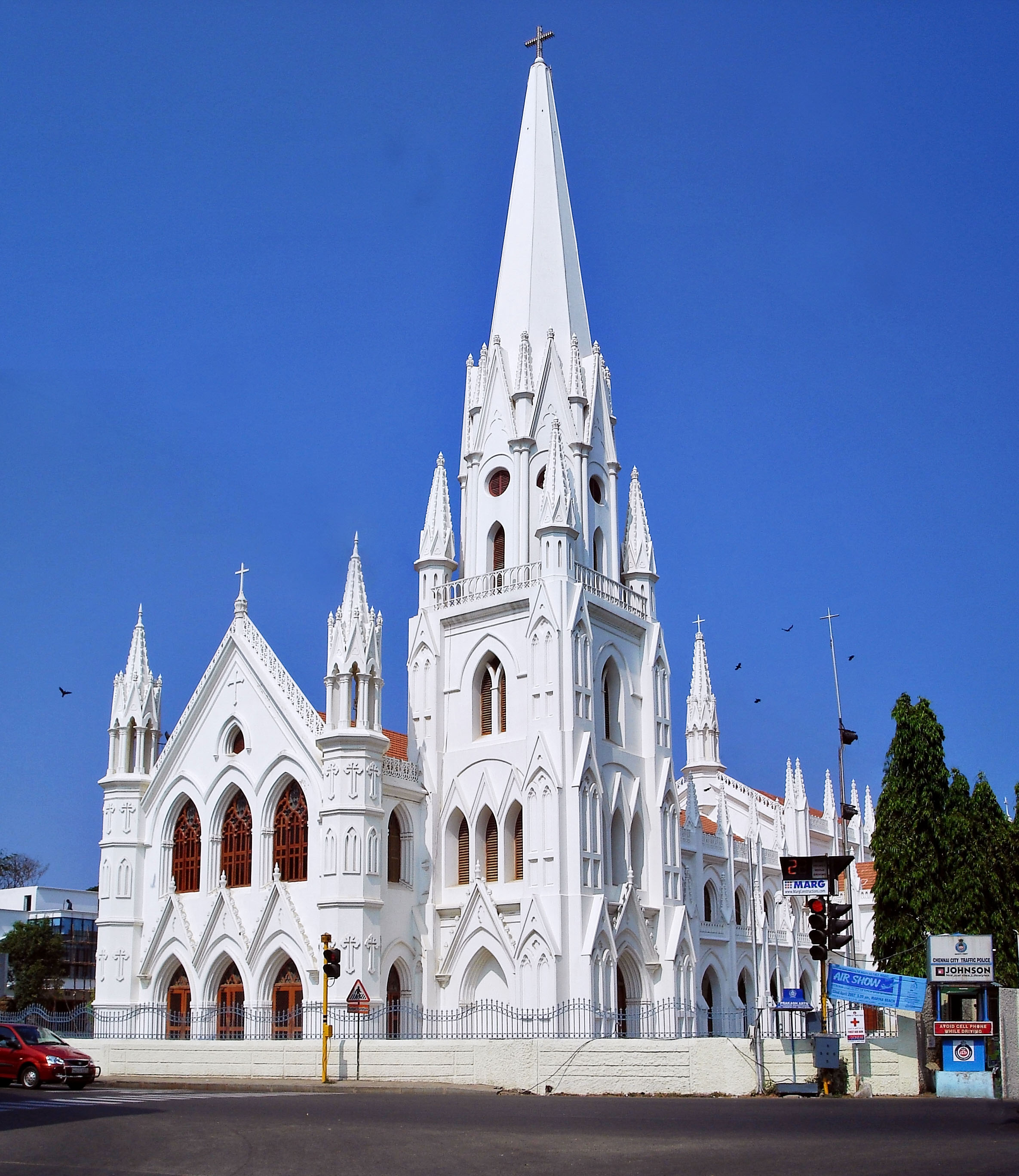
Is it not surprising that our ancient Puranas do not have any passing reference to such great cities of Coastal India ?
 Dr Ramakanta's Ideas
This is a very enlightening article on ancient india.It seems the entire mahabharat story is limited to those 16 janapad.Penetration beyond Vindhya mountain may be difficult at that time.There is no route men ruined from North to south like silk route. Bhanumati was the queen of Duryodhan. You explore in detail who was the father in law of Duryodhan.
Calcutta consists of 3 villages kalikata Sutanati and Gobindpur.
LikeLike
yes very interesting indeed. I suggest to read the set of books Shiva Triology by Amish which also skillfully incorporated some of these facts in to his best selling novels. Ramakanta indeed done a remarkable job .
LikeLike
Thanks sir
LikeLike