For 9 years, CAESAR had been away from Rome and busy conquering France and Gauls with his handful of faithfuls.
Rome was a Republic then. It had a Senate which passed all rules by vote in a democratic manner. Julius Caesar was the governor of the northern province. But his victories had made him the most famous Roman of his time. The Senate was afraid.
It was 49 BC. There still remained 49 years before Jesus Christ would be born and BC or AD will be counted.
CAESAR alone with his handful of faithfuls ( Mark Antony was one among them.) had conquered the whole of France. He had crossed the Alps mountain to win over the present Switzerland. This had led to the establishment of the cities like Paris and Geneva. He was now considered to be the greatest conquerer in the history of Roman Empire.
Back in Rome, the Senate was terrified. Consul Pompey, the chief of Senate was afraid that if CAESAR continues to win like this, it was only a matter of time before he would overthrow the Senate and became the next Consul. ( Consul is the leader of Senate and is equivalent to our Prime Minster.)
So Pompey did what he wanted. He could manage the Senate to remove CAESAR from the post of Roman Governor of Gaul. Caesar had overstepped his limits and had wasted precious Roman exchequer in wars that were not sanctioned by the Senate. This his High treason. He should lay down his arms and surrender to the Senate for standing a trial.
By the river of Rubicon.
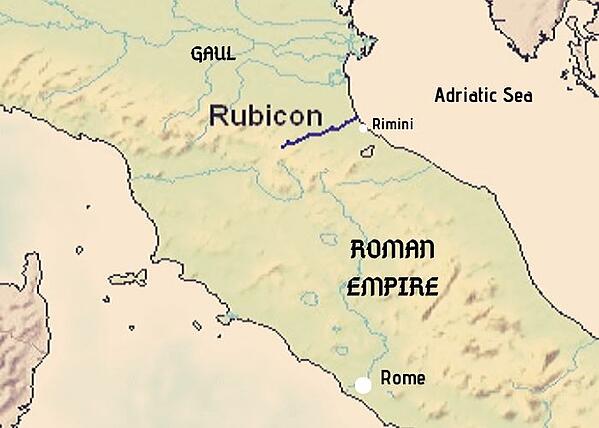
On January 10, 49 BC, CAESAR and his army reached the river of Rubicon. It was a small spring gurgling between red stones and green Olive trees. It was also the northern border of Rome (Italy). If CAESAR crossed the river with his armed forces, it would be defying the order of the Roman senate. Illegal beyond Rubicon.
For long CAESAR sat beside the gurgling waters of the Rubicon, thinking hard. “To Cross the Rubicon or Not”. On this side it was his territory. On the other side, it was the Ancient Rome. On this side he was great conquerer. On that side he was a traitor. Crossing the Rubicon with his army would break the law of Rome. Mediterranean winter around him was cool and dry. He looked and thought hard and then said,
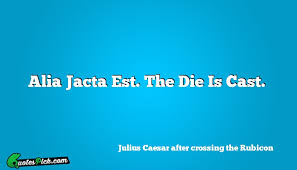
“Iacta Alea Est. “
“The Die is cast.“
What happened then ?
On the winter of 10th January, 49 years before christ was born, Caesar and his army crossed the Rubicon and marched into Rome. This was against the order of the Roman Senate. As word spread of the mighty CAESAR and his army marching towards Rome, Pompey and the Senate fled to Egypt. Pompey was defeated and killed in Egypt.
Julius Caesar who had started his military career as a lowly foot soldier under Pompey, was ELECTED dictator for life. Yes, he was elected to be a dictator by the senate. The Roman Republic died on that day. But it also laid a foundation to the one of the greatest empires in the history of world: Julius Caesar followed by Augustus Caesar.
It also added two more months in our Calendar.
r.k.mahapatra
July and August
It also led to Romans occupying the whole of Europe including Britain and the laid the foundation of what later came to be known as the Holy Roman Empire. Before that Europe was populated by barbarian tribes like the Gauls, Normans, Vikings. The Roman Empire created the modern Europe out of these fighting tribes.
CAESAR to march his thirteenth legion into Italy in that January was unprecedented.
What is Die in the expression of “Die is cast” ?
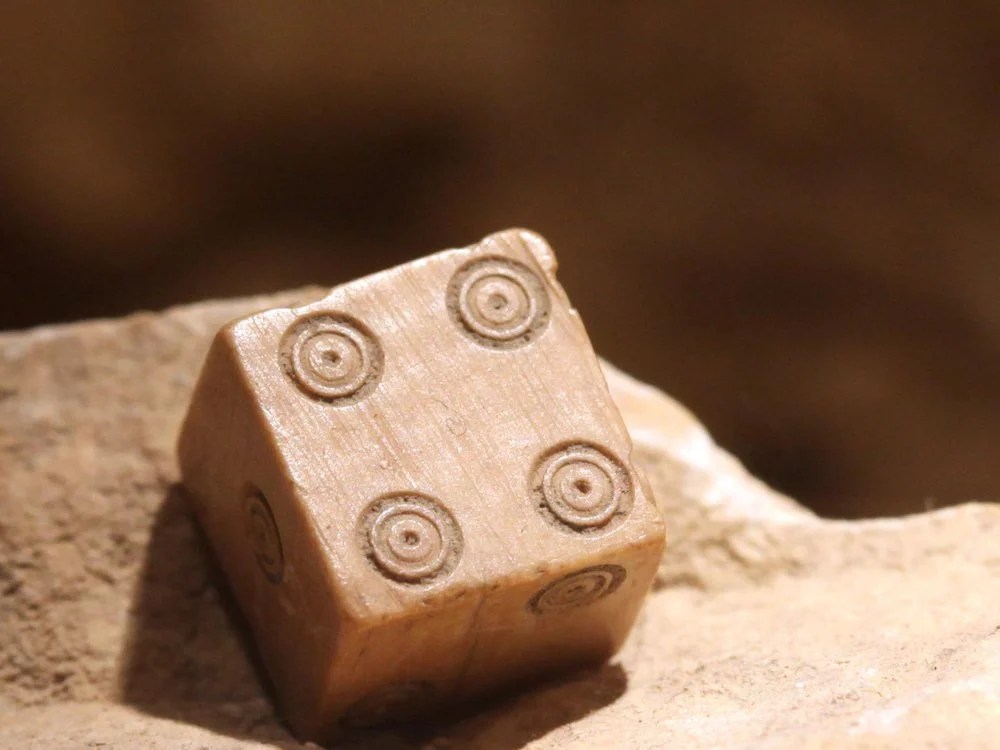
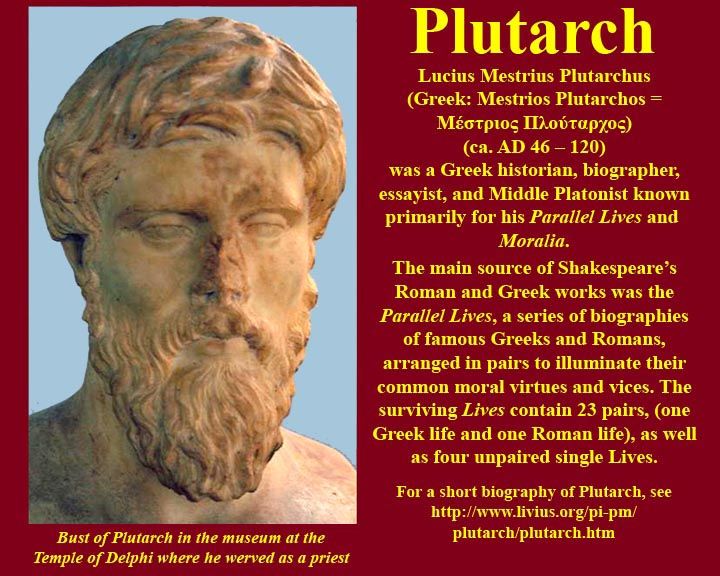
Die in roman refers to the game of Dice or the dice itself. “Die is cast” literally means the decision has been made. It was first used by Plutarch. Lucius Mestrius Plutarchus had put the word “Iacta Alea East” in Caesar’s mouth in 46 AD. That is 100 years after the event. We don’t know whether Julius caesar actually uttered this expression or not, but the expression is more popular than the event itself.
 Dr Ramakanta's Ideas
Nice but some part of history is missing. Die cast though explained well. Gauls still caused lot of problem
LikeLike