
17 February of 1078 AD was a Saturday.
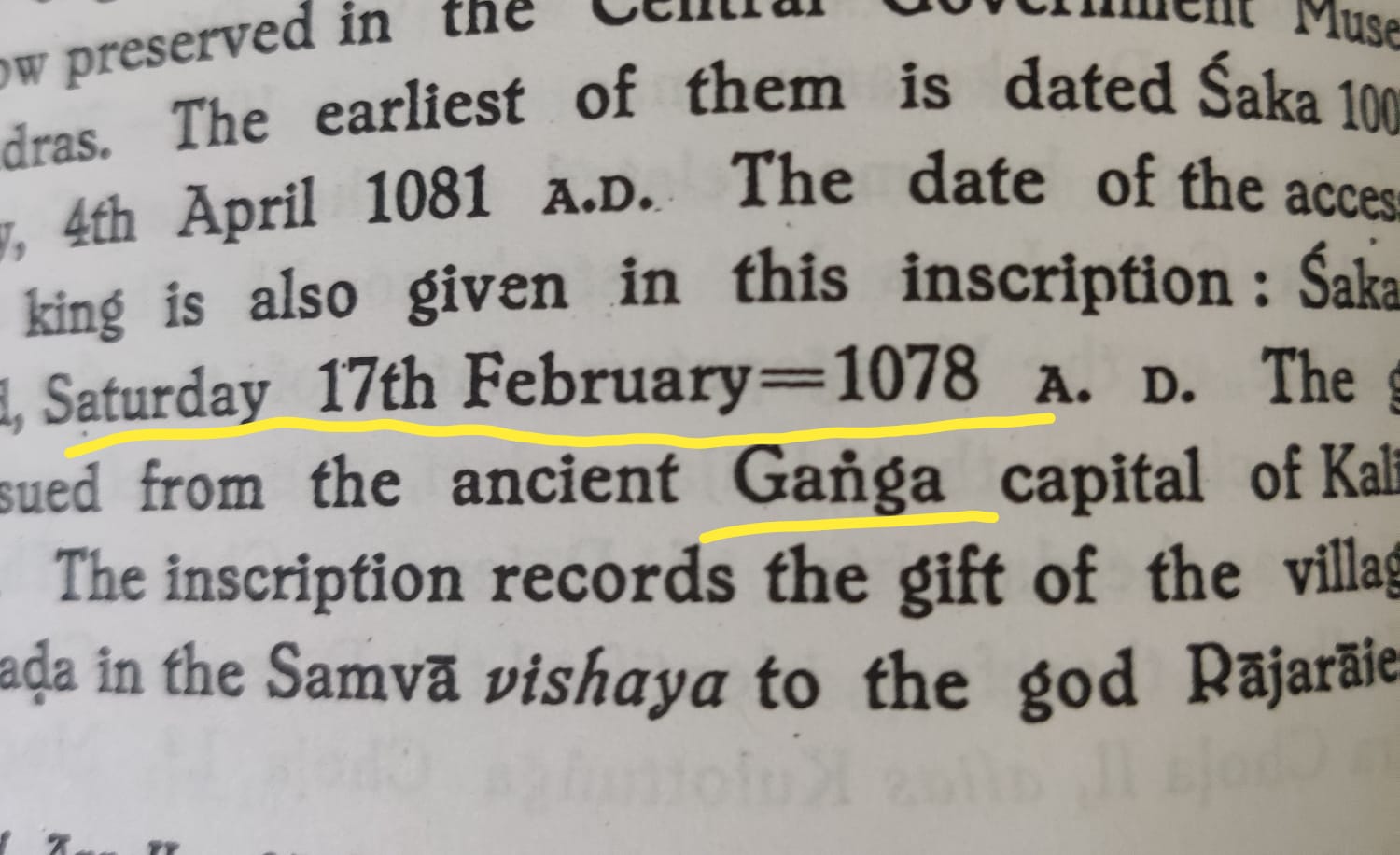
Ananta-Varman, the prodigious son of the great Ganga king RajaRaj-I and his Queen, the Chola princess Rajsundari had ascended to the throne of Kalinga on this date, 17th February, 1078. He had incorporated names from both of his parents in his title: Chola Ganga Deva.
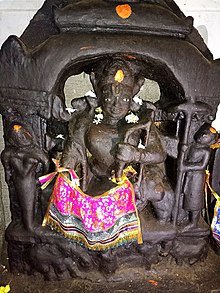
On the banks of the river Prachi there was an ancient fort built by the ancient Keshari Kings. It also happened to be some time capital of the then Odisha. It was known as Saranga-Garh-Kataka.
Kataka in sanskrit means Capital. So we have Mathura Katak, Chowduar Katak, Khordha-Katak, Varanasi-Katak (Bidanasi). Mind you the spelling here is Kataka which was mutiliated by the British in to Cuttack. Although the township of Cuttack was already existing since the days of by Markata Keshari, it was not the capital of CholaGanga Deva. It was only a century after him, his greatgrandson Ananga Bhima Dev one day saw a heron had jumped upon a hawk here on the banks of the river Mahanadi. The king took it for an auspicious omen and so on an auspicious day laid the foundation of construction of the fort and this village was named Barabati Kataka. Since then the fort Barabati had remained the citadel of power till the independence of India.
Ananta Varman Chola Ganga Dev: a son from the love and hate relationship of Cholas and Gangas.
In those days Kalinga was limited to lands between the river Mahendratanaya and Godavari. Its capital shifted from Pithapuram ( Godavari District) to Kalinga nagar ( Srikakuklum ) as per the wishes of the local rulers. It was bordering on the Vengi ( Godavari and Krishna) which was under the control of the powerful Cholas. Then the Ganga king Rajaraj-I became powerful and defeated the Chola king to annex Vengi and forcefully marry the chola princess Rajasundari. When he died, Prince Ananta Varman was only a minor. The earlier defeated Chola king Kulottunga Chola who was nursing a grievance, seized this opportunity to defeat Kalinga twice before Ananta Varman could retaliate forcefully and with what a vengeance. Ananta Varman grew up to be one of the greatest ruler in the history of Odisha and had left his marks on every aspect of his kingship, war victory, temple and monuments, forts and a benevolent rule. He had established the powerful Ganga dynasty of Odisha. The Odishan style of temple architecture flourished during this period. He had initiated the construction of the huge Jagannath temple of Puri and renovated the Lingaraj temple. During the Ganga rule the world famous Konark temple and Barabati fort was completed
Back to Chudanga Garh
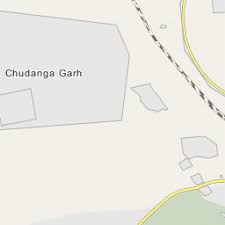
AnataVarman promptly renovated a strategically placed Garh to fortify his northern front. There was a great temple dedicated to Krutivasa (Present Lingaraja) and an ancient capital Sishupalaagarh in ruins lying south to this fort. Later on, he went on to extend the borders of his kingdom till the banks Of the River Ganges.
In the folk lores of Odisha, Chola-Ganga deva has been reduced to Chudanga deva and the fort got its present name the Chudanga Garh. Even today Chudanga sahi in Puri, and Chudanga Pokhari near Cuttack remembers this great son of Odisha.
Remnants of the Chuadanga Garh remains one km North to the Nandankanan in Baranga area. It is originally known as the Saranga Garh because of the myriad lakes and water bodies it had in those days. Saranga in Sanskrit represents wate bodies. It has been reduced to Chuadanga Garh in the popular memory of the great king Chola Gang dev.
 Dr Ramakanta's Ideas
good history lesson for me, read it during school day but forgotten
LikeLike
Thanks sir.
I have researched a lot to add dates and locations to the patchy account in our school history books
LikeLike
Nice article.
LikeLike