
( Image- In the medieval Europe, sugar was imported and a castle made up of sugar displayed at a banquet was a status symbol for aristocracy.)
The Sweetest Secret: How a Humble Indian Spice Became the World’s White Gold—And Cost a Continent Its Soul
For thousands of years, we’ve enjoyed sugar. It’s in your coffee, your cake, your favorite soda. It’s so ubiquitous today that we barely give it a second thought.
But picture this: for the common person in Europe, this simple pleasure was utterly unavailable until well after 1750 AD.
This is the incredible, turbulent story of how the world’s most addictive treat escaped its ancient home in India and, in its quest for global dominance, ended up funding piracy, launching an empire, and, most horrifically, birthing the transatlantic slave trade.
Part I: The White Salt That Tasted Like Heaven
Long before Starbucks or even the idea of a Christmas cookie, the people of the Indian subcontinent were mastering the art of crystallization—turning cane juice into solid, sweet crystals. For them, it was a common, everyday sweetener.
But back in 15th-century Europe? Their only sweet relief was honey.
Then came the Crusades. When European warriors returned from their long, brutal campaigns, they didn’t just bring back scars; they brought back a rumor of a miracle. They had encountered a rare commodity—a “white salt” that was surprisingly, deliciously sweet.
Suddenly, a craze began.
Anecdotal Bite: Imagine a medieval banquet. You might be served roast peacock or a spiced stew. But if your host was truly powerful, he would unveil a pure white, sculpted castle—a piece of edible art made entirely of this “sweet salt.” Its presence didn’t just indicate wealth; it screamed power and status.

Part II: The Golden Chains of the Middleman
How did this precious powder get to the tables of Europe’s elite? Through a very long, very expensive supply chain:
- The Arab Middlemen: They controlled the land routes, procuring the sugar from India and passing it through their expansive, sophisticated trade networks.
- The Venetian Merchants: The slickest traders in the world, the Venetians, paid top dollar to the Arabs and sailed the sugar into European ports.
This layered system inflated the price beyond imagination. Sugar wasn’t just expensive; it was called “White Gold.”
Then, the Christian-Muslim conflict, ongoing throughout the Crusades, came to a head. When trade routes became too volatile, or supplies were intentionally choked, the cooks of Europe’s aristocracy panicked. Their expensive addiction was threatened!
Part III: The Ultimate Shortcut and a Staggering Miscalculation
The rich and powerful didn’t care about politics; they cared about their taste buds. They demanded a direct, uninterrupted supply.
The solution? Bypass the Arab land routes. Find a sea route to India.
Enter Christopher Columbus, a Genoan sailor with a bold, almost unbelievable theory. He convinced the Spanish monarchs that the world was round, and by sailing West, he could reach the spice-rich East and claim the source of sugar for Spain.
In 1492, he sailed west… and stumbled right into a whole new world: the Caribbean Islands.
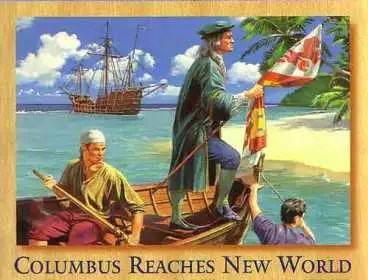
He claimed the land, mistakenly called the natives “Indians,” and, crucially, planted the first stalks of sugarcane. The Spanish had found their new source! The journey of sugar had changed the map of the world.
Part IV: The Bitter Cost of Sweetness
But the tropical sugarcane needed massive, relentless labor to turn it into sparkling white gold. The soil was perfect, but the process was grueling, brutal, and deadly. Simply put, it wasn’t profitable enough.
This single, terrible truth—the need for cheap, massive labor to satisfy the cravings of Europe—gave rise to an unparalleled horror.
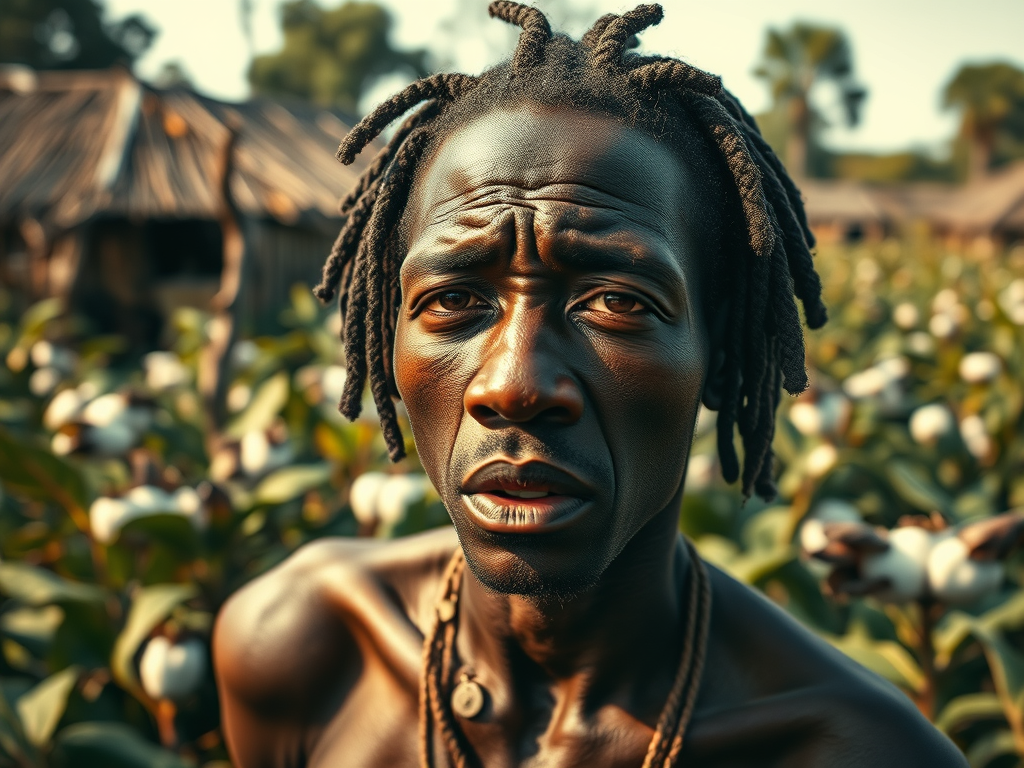
Starting in the 16th century, the Transatlantic Slave Trade ripped over half a million African captives from their homes and shipped them to the Caribbean’s vast, new sugar plantations. They were worked to death in the mills of Saint-Domingue and other islands.
The Emotional Core: The average lifespan of a slave forced to work the sugar mills was a shocking, unbearable eight years. The sweetener that tasted like heaven to a European lord was steeped in the blood, sweat, and death of an African captive.
Epilogue: The Universal Addiction
It was only after the Caribbean plantations were fully operational, cranking out sugar via slave labor, that the supply finally exploded. Prices plummeted.
By the mid-1700s, for the first time, this “White Gold” was cheap enough to grace the tables of the common European. A few tragic generations later, slavery was abolished, but the legacy of this destructive commodity remains.
Today, sugar is no longer a luxury, but a ubiquitous presence—an affordable staple that defines modern global cuisine. Every time you stir a spoonful of sugar into your tea, remember its unbelievable journey: from an ancient Indian staple, to a diplomatic weapon, to the single most powerful force that reshaped the world map and fuelled one of humanity’s greatest crimes.
The sweetest thing we taste has the bitterest history.
What part of this incredible journey—the Venetian traders, Columbus, or the final ubiquity of sugar—are you most surprised by?
 Dr Ramakanta's Ideas