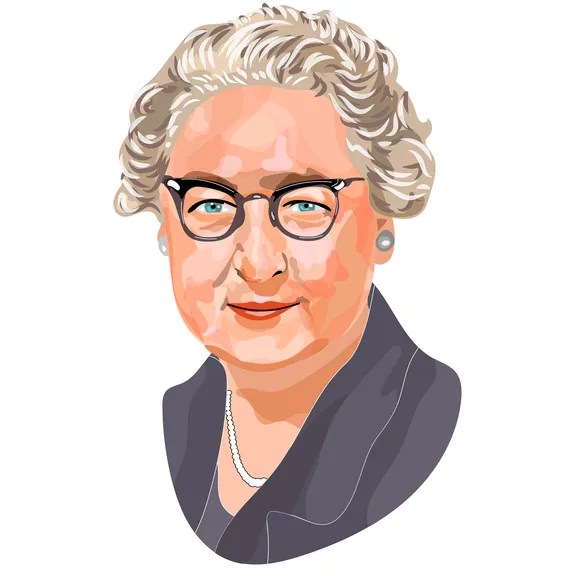
In 1952, inside a New York City delivery room, a baby was born blue and silent. Doctors hesitated, unsure whether to keep trying. Then a calm voice broke through the panic.
“Let’s score the baby,” said Dr. Virginia Apgar.
That moment changed the world of medicine forever.
Apgar had once dreamed of being a surgeon, but in the 1940s few women were allowed into the operating room. When she found that no hospital would hire her, she turned to anesthesiology instead — a decision that would save millions of lives.
The Newborn mortality dilemma
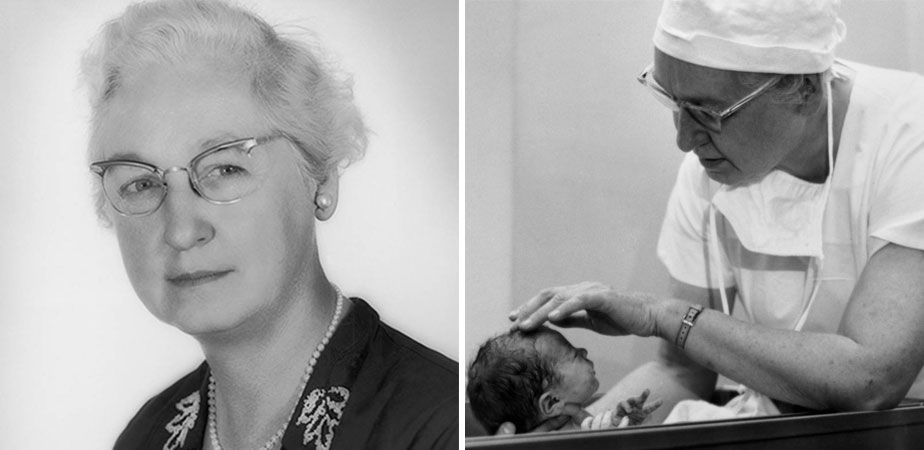
Working in Columbia- Presbyterian’s maternity ward, she saw newborns die within minutes of birth because doctors had no system to judge which babies needed help first. So one morning in 1952, she grabbed a pen and paper and designed the now famous five-point scoring measuring heart rate, breathing, muscle tone, reflex response, and skin color. We call it the Apgar Score.
The idea spread faster than anyone expected. Within a decade, almost every hospital in America was using it. Infant mortality fell sharply. Doctors finally had a language for newborn care — and babies once thought lost were suddenly being saved.
Apgar never stopped pushing forward. She earned a public health degree and did seminal work in mother and child health care. When asked how she had thrived in a man’s world, she laughed,
“Women are like tea bags — they don’t know how strong they are until they’re in hot water.”
Dr. Virginia Apgar passed away in 1974, but her test still guides every delivery room on Earth. Every two seconds, somewhere in the world, a baby takes its first breath — and someone quietly calls out a number that honors the woman who refused to give up on newborns or on herself.
Collected
 Dr Ramakanta's Ideas