The story of the Countess of Chinchón and the fever remedy from Peru is a captivating tale that intertwines historical fact, legend, and the eventual discovery of one of the world's most important medicines.
The rich and fabulous kingdom of Peru was conquered by the spanish forces, subjugated and ruled by a viceroy from Spain.
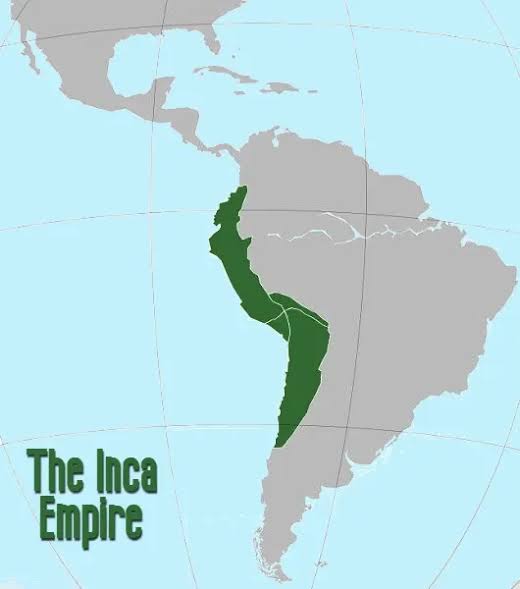
In the early 17th century, Doña Francisca Henríquez de Ribera, the Countess of Chinchón and wife of the Spanish Viceroy of Peru, fell desperately ill with a severe intermittent fever.
In a foreign land far from the comforts and remedies of Europe, she was at the mercy of a sickness that often proved fatal. The fever was likely malaria.
Her husband, the Count of Chinchón, and the supreme ruler of Peru was distraught. He had exhausted all known European treatments, which at the time included ineffective and often dangerous methods like bloodletting. But despite all his efforts, his wife’s condition only worsened. A local official, who had himself been cured of a similar fever, offered a last resort: a remedy used by the native Quechua people.
The remedy was a powder made from the bark of a specific tree, which the Quechua called “quina-quina” or “bark of barks.” The native people had long known of its curative properties for fevers and chills.
They would prepare a tea from the bitter bark to treat their ailments. The knowledge of the plant’s medicinal effects by the indigenous people’s was centuries old.
Reluctantly, and with little hope, the Countess agreed to try the native remedy. The bitter powder was mixed with a drink, and she consumed it. Miraculously, her fever subsided, and she made a full recovery. The cure was so profound and unexpected that it was considered a miracle.
Overjoyed and deeply grateful, the Countess recognized the immense value of this discovery. She ordered a large quantity of the powdered bark, which became known as “the Countess’s powder,” to be prepared and distributed to others suffering from similar fevers in Lima.
When the Count and Countess of Chinchón returned to Spain, they brought with them a supply of this miraculous bark, introducing it to Europe.
The bark, and the medicine derived from it—*quinine* —would go on to become the first effective treatment for malaria, a disease that ravaged Europe and its colonies for centuries. The botanical name for the genus of trees from which the bark is harvested was later named Cinchona in her honor.
A Spanish noblewoman, facing a life-threatening illness, put her faith in the ancient wisdom of the native people of the colony under her rule. Her acceptance and subsequent promotion of the remedy not only saved her own life but also led to the widespread use of quinine, saving countless lives across the globe.
Gin and Tonic
The story of the Countess of Chinchón’s recovery from malaria is a powerful prelude to a fascinating and very British colonial practice: the invention of the gin and tonic.
After the Countess of Chinchón’s experience, the Jesuits and other travelers brought the “fever bark” to Europe. By the 19th century, chemists had isolated the active compound, quinine, and it became a crucial tool for the British Empire. As the British expanded their colonial presence into tropical regions like India, Africa, and Southeast Asia, they faced a devastating enemy: malaria. malaria would decimate the British force and the colonist would suffer huge deficits.
To combat this, British officials and soldiers were prescribed a daily dose of quinine as a prophylactic to prevent malaria. However, pure quinine is incredibly bitter. The taste was so unpleasant that it was a constant challenge to get people to take their medicine.To make the bitter medicine palatable, they began to mix the quinine powder with soda, sugar, and water, creating what we now know as tonic water. But even this was not enough to fully mask the bitterness. They then started adding a ration of gin—a popular spirit among the British—to the mixture, along with a squeeze of lime.
Thus, the gin and tonic was born, not as a cocktail of leisure, but as a practical, and rather creative, way to fight Malaria. The alcohol and other flavorings helped to mask the unpalatable taste of the quinine, turning a necessary chore into an enjoyable ritual.
The drink became so popular that it eventually transcended its medicinal origins. As the amount of quinine in commercial tonic water was reduced over time, the gin and tonic became a beloved and refreshing cocktail enjoyed around the world. The term “Indian Tonic Water” on many modern tonic bottles is a direct historical nod to this colonial practice.
In essence, the Countess of Chinchón’s experience was the first chapter in the discovery of a powerful medicine. The British colonial practice of drinking gin and tonic was the next chapter, showcasing how a vital medical necessity was transformed into a cultural phenomenon, a testament to both the severity of the disease and the human desire to make even the most unpleasant tasks more enjoyable.
The powerful anti malarial quinine is a story of a priceless gift from the indigenous people of Peru to the world, demonstrating the profound value of traditional knowledge and cross-cultural exchange in the face of suffering.
 Dr Ramakanta's Ideas