Our Accident Relief Medical Vans ARMV need a paradigm shift.
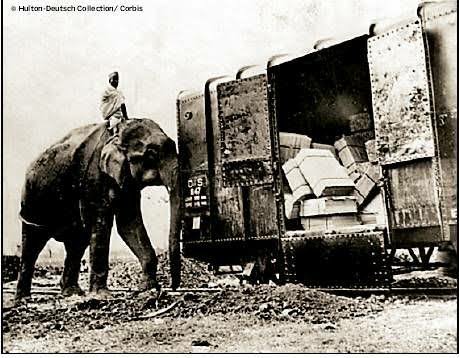
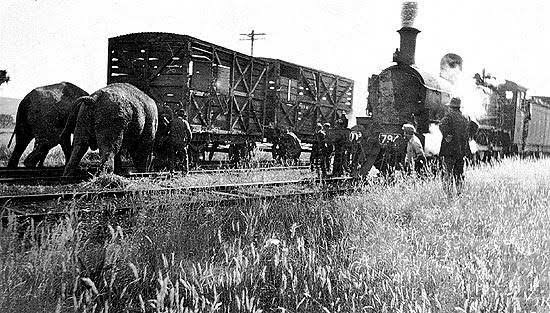
( pic- Elephants in accident restoration works)
ARMEs are legacy of Colonial Rail like the Steam Engine, Telegraph machines, Token porters, wooden planks, and railway phones .
British people have constructed railway network throughout their colonies (India, Malay, China) to quickly transport local raw materials from these colonies to world’s first industrial city, Manchester. These part of world were known for cotton, silk, wood, tea, opium, indigo in those days. Manchester was known as Cottonopolis. Bombay had a Cotton Exchange now known as Cotton Green that used to feed raw material for its industrial evolution.
The tracks then are intentionally made through deep forests ( abundant teak woods for their palaces) usually avoiding Indian settlements . They connected our country’s hinterlands to the Port towns. The royal ships of her majesty would then carry away staggering amount of looted materials and bring finished goods from Manchester etc.
Because of this design, train accidents in those days could only be approached by the railway track or elephants.
The ARME saloons are made for British officers to reach accident site in royal comfort. Usually the Restoration work was done by engaging native resources (Labour, elephants) on the spot. They are forcibly engaged through British Raj’s law and order offices. They did not need transport.
It was serving them well.
Post independence, most of our cities have grown around such railheads and our system now transports majority of human cargo. Each km of track is now road approachable, electrified and is also covered by fibre network. The local people, 108 ambulances and nearby medical facilities are the main stay of medical care in the *golden hour* following a train accident
The black Elephants of Railways are gone.
We still have some White elephants called ARME vans.
 Dr Ramakanta's Ideas