The waters of the Bengal had always been cyclonic from the time immemorial but the Sadhabas ( naval merchants) of the Kalinga were no less fierce and fearless than the Vikings of Scandinavia.
In the Muslim country of Indonesia, the people of the island of Bali are predominantly Hindus.The second most popular religion there is Buddhism.
By the time of the Kalinga war ( 260 years before christ) Kalingas had established a prosperous trade link with this Indonesian Island.
They were exporting fine clothes and muslin from the great port of Palur ( Ganjam)at the mouth of Rushikulya, even the famous diamond of Hirakud from the great port of Chelitola ( Tirtol) at the mouth of the Mahanadi.
The waters of the Bengal had always been cyclonic from the time immemorial but the Sadhabas ( naval merchants) of the Kalinga were no less fierce and fearless than the Vikings of Scandinavia. So accomplished their boatmen were that, for 500 years before Christ was born, all the trade from the coast of Bengal to Srilanka over the treacherous water of Bengal were routed through these two great ports . Kalinga sadhabas could even transport elephants over the rough sea. In the Mahabharata, the kings of Kalinga were nick named as the “Mahodadhipati”- The conquerers of the ocean.
Kalinga war changed all that. With the patronage of Ashoka the great, the main item of export now became the Buddhism. As a result, Buddhism before being wiped out from India, could spread to Srilanaka and Indonesia.
Although the name of the Bali no longer exists in the Indonesian map, but Kalingga (Javanese: Karajan Kalingga) still exists as a 6th-century Indianized kingdom on the north coast of Central Java, Indonesia. It was the earliest Hindu-Buddhist kingdom in Central Java.
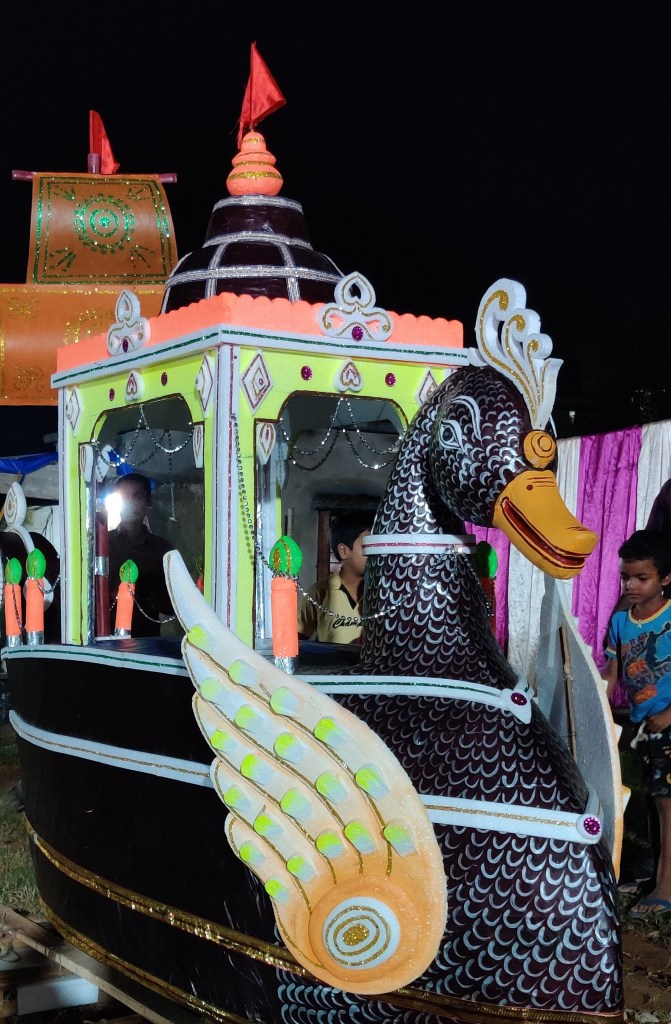
As the chaturmasya finishes with the sacred month of the Kartika, and the monsoon wind calms down, the Sadhabas of Kalinga would set sail for the distant Bali islands with their loaded vessels.
So on this day of Kartika Purnima, we still remember those Balirajas of the yesteryears, a rich cultural history of this land.

 Dr Ramakanta's Ideas