High up in the Andes, in the deepest forest of South America, Locals had brewed tea from the bark of a wild tree for ages to cure fevers.
Along with Christopher Columbus, Spain had occupied half of South America and had also imported one of the deadliest curse Malaria to Europe.
Caucasians have zero immunity against this dreaded parasite and whole of Europe were sitting duck for the parasite.
The Spanish countess of Chinchón fell terribly ill while visiting the region. Her European doctor had no clue what to do and turned to the indigenous people of the area for help.
They cured her and her story lives on in the name of the CINCHONA tree species.
…
Malaria was the biggest killer in those days. It still is. Word quickly spread about the amazing properties of quinine and global demand for this antimalarial tonic soared, quickly outstripping the supply.
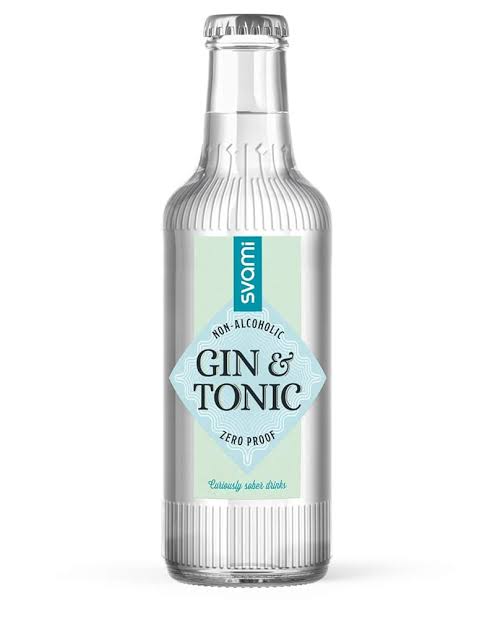
The British habit of taking quinine as a prophylactic precaution against Malaria has developed into the prestigious evening Gin and Tonic.
Here tonic is the Quinine and Gin is to cover it’s flavor.
– 2–
Quinine business started with $20.
The Spanish people conquered and subjugated the Latin America in the 18th century. They looted the country and were gifted with MALARIA. It became the greatest scourage of mediavel Europe.
The anti Malarial tonic Quinine became an essential part of the evening Gin and Tonic of all colonial rulers.
In those days the global demand for this antimalarial tonic was so high that seeds were smuggled out and planted by the Dutch and English.
During this time, the Dutch paid $20 for Bolivian seeds from an Australian botanist, which contained a whopping 13 percent quinine.
This transaction has been called the most profitable investment ever because, by the 1930s, the Dutch were growing and supplying practically the entire world’s supply of quinine.
In the 30s, the Dutch also continued to win the war on sea over the Brits not by their naval power but by this single weapon we call the Malaria. At that time Brits unlike the Dutch didn’t have an answer to Malaria.
 Dr Ramakanta's Ideas