The case of Doctrine of lapse by Dalhousie.
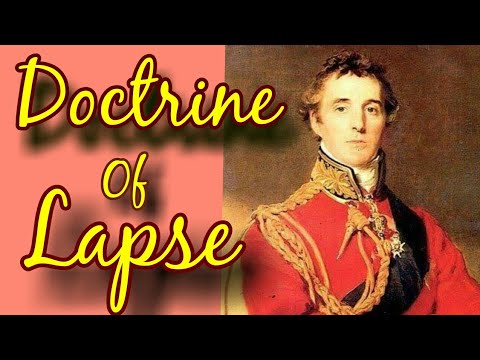
( By this draconian law, British of the colonial India used to usurp Indian princely states which did not have an Heir.)
(Also in my podcast)
This infamous British law didn’t allow Rani Laxmibai to control the state of Jhansi. In Puri the colonial rulers dispossessed the young Gajapati on a frivolous charge. The prince Bhagirathi Kumar was a minor at that time. The queen mother wanted to be caretaker for her minor son which the Brits promptly refused.
While Jhansi Rani rebelled, the Queen mother of Puri, who also commanded huge support from all Odia people, went to court of law with Barrister Madhusudan.
It was against the British in an English court. It was also against the law of the land. And the Brits were the law maker. At lower court of cuttack the case was promptly squashed.
Madhusudan went to Calcutta High Court to consult top lawyers from the bar of Calcutta. Everyone had only one opinion. The case was against the law of land. It had no merit unless the law is changed. And the usurpers were the law makers here.
Undeterred, MS Das prepared the brief himself. He always believed that in an English court, whoever tells a better story wins. It was an exemplary brief. It invoked the deep insight of Madhubabu into Odia custom(Jataka) , British emotion (Pope) and his legal acumen.
It said “Gajapati Raja is not a mere feudal king only, he is the POPE of the Odia people. The horoscope of every Odia child cites his name and year of reign. Every marriage, Death rite in this part of world is performed on his kingship. No british agent can substitute the institution of Gajapati.”
Madhusudan had gone to Calcutta expecting a long drawn battle. But the case was finalised in favor of the queen mother in only three hours. The English judges were so impressed by the concept of Gajapati being the POPE of Odias that they wanted to personally meet the person who has drafted those lines after the court hours.
So history records that Puri temple remained under the superintendence of Gajapati Raja from that day onwards even till today. Colonial rulers’ crooked plan to take control of the huge wealth of Puri temple was squashed by an all English Jury.
Yet MS Das was never allowed inside this sacred pantheon any time in his life. Because MS Das was a Christian. He was also ostracised from his ancestral home by his own elders
 Dr Ramakanta's Ideas